Some of the better-known statistical rules of thumb that a smart consumer might think apply in polls are more nuanced than they seem. In other words, as is so often the case in life, it’s complicated.
Big partisan shifts in the House of Representatives happen, but not often. In only three of the past 12 election cycles has one party posted a net gain of more than 30 seats, and on average 93% of House members who seek re-election are voted back into office.
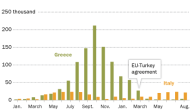
The number of refugees who have entered Europe this summer has declined compared with last year, but the backlog of asylum applications continues to grow.
A significant share of both Hillary Clinton and Donald Trump supporters say their vote is based more on which candidate they are against rather than which one they are for.
The Obama administration deported 414,481 unauthorized immigrants in fiscal 2014, a drop from the prior year driven by a decline in deportations of immigrants with a criminal conviction.
Americans are more worried than excited or enthusiastic about the potential for healthy people to use synthetic blood (63% vs. 36%). And a majority of Americans – roughly six-in-ten – said they would not want synthetic blood substitutes in their own body to improve their abilities, while 35% would be open to it.
A new gene-editing method called CRISPR exemplifies how the technology is rapidly becoming a present-day reality. Yet, Americans are wary of editing embryos, according to a survey on the broader field of “human enhancement.”
Immigration policy has been a focal point of Donald Trump’s campaign since he first announced he was running for president. Here's a look at where his supporters stand on the issue.